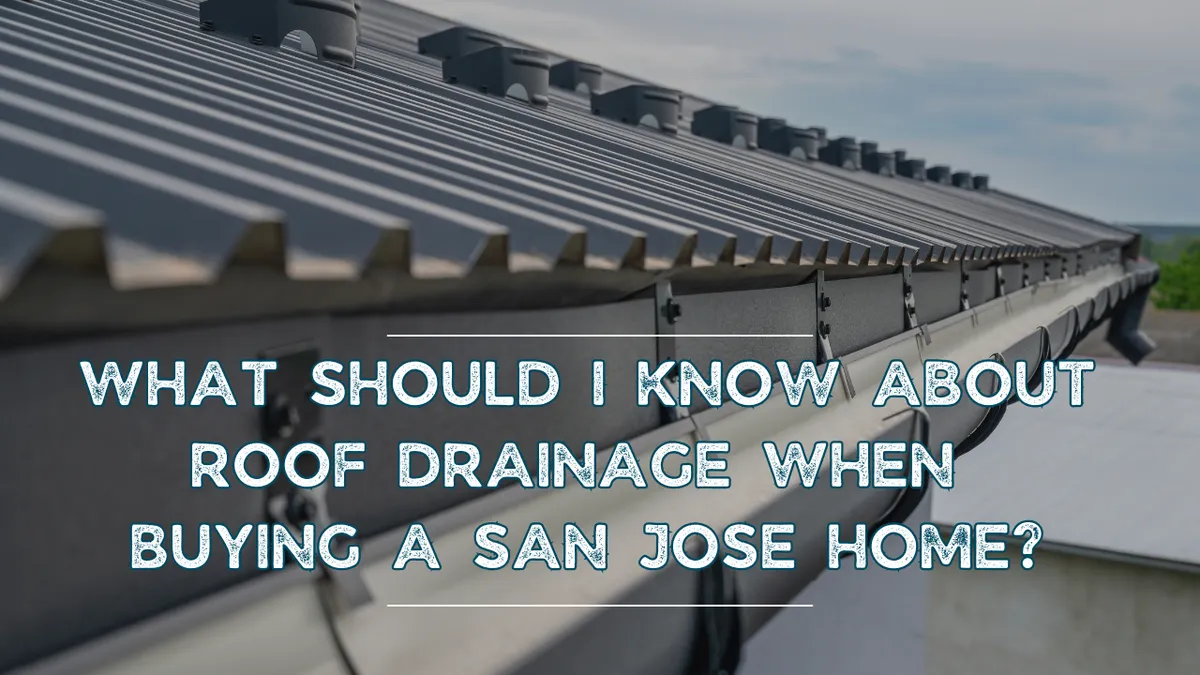
What Should I Know About Roof Drainage When Buying a San Jose Home?
When buying a home in San Jose, California, it is easy to focus on the roof's appearance, the number of bedrooms, and the condition of the interior. However, roof drainage is another important detail to examine. Gutters, downspouts, and the grading around the home help direct rainwater away from the building. When these features do not work properly, water may collect near the foundation, damage exterior materials, or create maintenance problems.
Even in areas where heavy rainfall does not occur every day, a home needs a reliable way to manage rainwater. Before making an offer, take time to understand how water moves from the roof to the ground and away from the property.
Why Is Roof Drainage Important?
When rain falls on a roof, water needs a safe path away from the building. Gutters collect water along roof edges, while downspouts carry it toward the ground. The surrounding soil and drainage features then help move water away from the house.
If gutters are blocked, damaged, or incorrectly positioned, water may overflow and run down exterior walls. If downspouts release water too close to the foundation, moisture may collect around the building. Over time, these conditions can contribute to erosion, damp areas, damaged landscaping, or other problems.
Roof drainage also affects how the yard is used. Areas that remain wet may become muddy, damage plants, or make outdoor spaces less convenient. Water that repeatedly collects near walkways can also create slippery surfaces.
These problems do not always indicate major structural damage, but they should not be ignored. Understanding the drainage system can help you identify maintenance needs and decide whether further evaluation is appropriate.
Are the Gutters in Good Condition?
During your property visit, look at the gutters from a safe location. Check for visible sagging, separation from the roofline, rust, cracks, or sections that appear damaged. Gutters should generally be positioned to collect water from the roof rather than allowing it to spill behind or around them.
Ask the seller how often the gutters are cleaned and whether repairs have been completed. Leaves, branches, dirt, and other debris can restrict water flow. Properties with nearby trees may require more frequent maintenance.
Pay attention to signs of overflow, such as dark streaks on exterior walls, damaged paint, or soil washed away beneath the roof edge. These signs may suggest that the drainage system needs attention, although a professional should determine the cause.
Do not climb onto the roof or attempt risky inspections during a home tour. If you cannot clearly evaluate the gutters from the ground, ask your home inspector to examine accessible areas and recommend further assessment when necessary.
Where Do the Downspouts Direct Water?
Downspouts carry collected rainwater from the gutters toward the ground. Their placement matters because water released too close to the house may collect near the foundation.
Walk around the property and observe where the downspouts end. Look for water stains, erosion, muddy areas, or depressions that may indicate repeated water flow. Notice whether the ground slopes away from the house or appears to direct water toward it.
Ask whether the property has extensions, drainage channels, or other systems that help carry water away. If the home has underground drainage pipes, request available information about their condition and maintenance.
Do not assume that a long downspout or underground drain is working properly just because it is present. Blockages, damage, or poor installation may prevent water from flowing as intended.
If you notice water collecting near the foundation, ask a qualified professional to assess the situation. The appropriate solution depends on the property's layout, soil conditions, drainage patterns, and local requirements.
What Should I Check Around the Foundation?
Water management involves more than the roof itself. The slope of the soil around the home can affect whether rainwater flows away from the foundation or gathers beside it.
Look for low spots, standing water, soil erosion, and areas where mulch or landscaping appears to trap moisture against exterior walls. Also notice whether walkways, patios, or driveways slope toward the house.
Inside the home, look for visible water stains, musty odors, peeling paint, or signs of moisture near lower walls and floors. These conditions can have several causes, so they do not automatically prove that roof drainage is the problem.
Ask the seller whether water has entered the home, whether the foundation area has experienced recurring moisture, and whether drainage improvements have been completed. Request available repair records if the seller reports previous problems.
A general home inspection may identify visible concerns, but complicated drainage conditions may require evaluation by a drainage specialist, qualified contractor, or another appropriate professional.
Could Poor Drainage Lead to Expensive Repairs?
The cost of addressing drainage problems depends on the cause and extent of the issue. Cleaning gutters or repairing a small section may be relatively simple. Replacing damaged gutters, extending downspouts, improving grading, or correcting underground drainage can require more work.
If water has damaged siding, landscaping, walkways, or interior materials, additional repairs may be necessary. Problems involving the foundation or persistent moisture may require specialized evaluation before a suitable solution can be determined.
Ask for written estimates if an inspection identifies concerns. Make sure the estimates explain the recommended work, materials, labor, and any permits that may be required. Avoid assuming that a low-cost temporary fix will resolve a recurring problem.
Include potential drainage expenses in your homebuying budget alongside other major maintenance needs. This can help you compare properties more accurately and avoid unexpected financial pressure after moving in.
What Questions Should I Ask Before Making an Offer?
Ask the seller whether the gutters and downspouts have been repaired or replaced, whether water has collected near the foundation, and whether any drainage improvements have been completed. Request relevant invoices, inspection reports, and maintenance records.
Ask your home inspector to identify visible concerns and explain whether additional evaluation is recommended. If the property has a history of water problems, investigate the cause rather than focusing only on cosmetic repairs.
You should also consider future maintenance. Trees near the roof may increase the amount of debris entering gutters, while landscaping changes can affect how water flows across the property. Understand what regular care the home may require.
Final Thoughts
Roof drainage may not be the first thing you notice when viewing a San Jose home, but it can affect the property's condition and maintenance costs. Check the gutters, downspouts, yard slope, and areas around the foundation. Ask about previous water problems and request professional advice when concerns arise.
By understanding how rainwater moves around the home, you can make a better-informed buying decision and prepare for the property's ongoing maintenance needs.
Mariela Velazquez
Real Estate Expert in San Jose, CA
Helping Home Buyers Move with Confidence
(408) 849-9297
https://www.move408.com/


