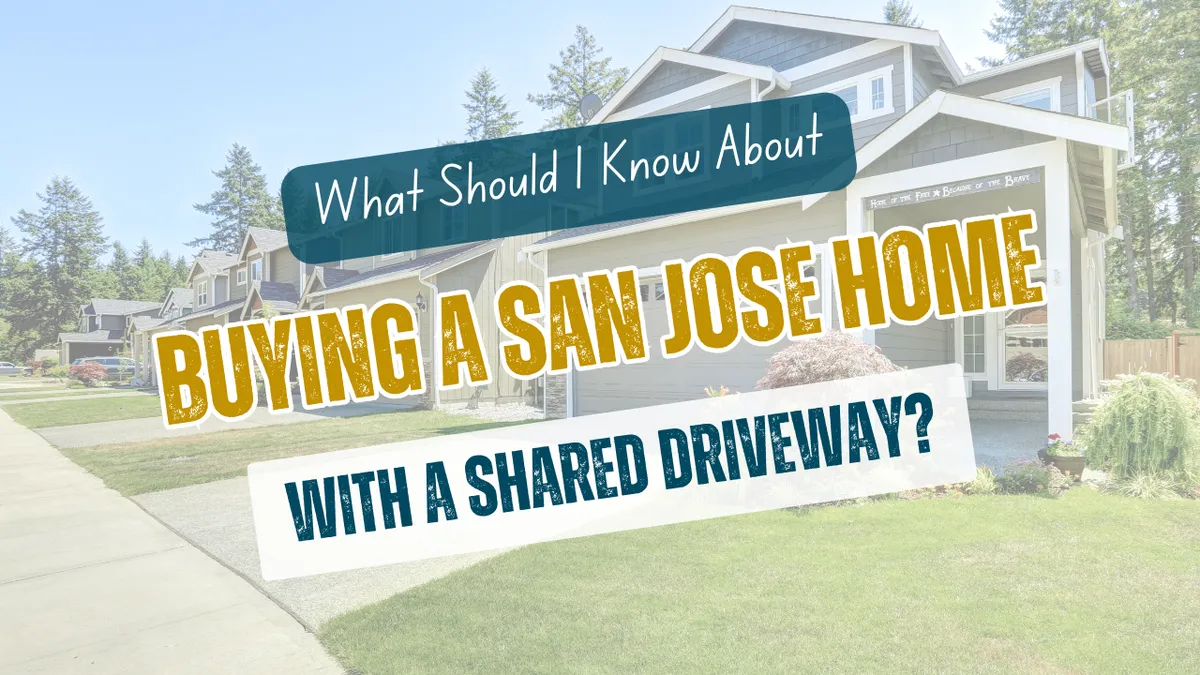
What Should I Know About Buying a San Jose Home With a Shared Driveway?
Buying a home in San Jose, California, means looking beyond the property's appearance, price, and location. You should also understand how the property functions in everyday life. One detail worth investigating is a shared driveway.
Some homes share a driveway with a neighboring property because of the way the lots were designed or divided. This arrangement may work well for both owners, but it can also raise questions about access, parking, repairs, and property rights.
Before making an offer, learn how the driveway is shared, who maintains it, and whether any restrictions could affect your plans. Understanding these details can help you avoid disagreements and unexpected expenses after moving in.
Is the Shared Driveway Legally Documented?
Start by asking whether the shared driveway is covered by an easement, recorded agreement, or another legal arrangement. These documents may explain who can use the driveway, where access is permitted, and whether either property owner has specific responsibilities.
An easement is a legal right that allows someone to use part of another person's property for a particular purpose. For example, a recorded easement may allow one homeowner to cross a neighboring lot to reach a garage or the street.
Do not assume that a driveway arrangement is legally protected simply because both households have used it for many years. The actual rights and responsibilities depend on the property's records and applicable law.
Ask the seller for copies of relevant documents. You may also ask your real estate agent how to obtain available property records and whether a title professional or real estate attorney should review the arrangement.
Pay attention to the driveway's location and the area covered by any recorded agreement. An easement may provide access but may not give you the right to widen the driveway, install gates, or make other changes.
Understanding these limits before buying can help you determine whether the property will support your needs.
Who Is Responsible for Driveway Maintenance?
A shared driveway requires some understanding between the people who use it. Before buying, find out who is responsible for cleaning, repairs, resurfacing, drainage, and other maintenance.
Some arrangements include written agreements explaining how expenses are divided. Others may rely on informal conversations between neighbors. If the responsibilities are unclear, ask a qualified professional to explain the available documents and your options.
Consider the condition of the driveway during your property visit. Look for cracks, uneven surfaces, potholes, drainage problems, and areas that may need repair. Ask whether any maintenance work is planned or whether previous repairs have caused disagreements.
Driveway maintenance can become expensive if a large section needs resurfacing or reconstruction. If the driveway is shared, you may not be able to make decisions about the entire area independently.
Ask how repair costs are handled and whether both property owners must approve certain work. If there is an agreement, check whether it explains how urgent repairs and major improvements should be managed.
You should also consider drainage. Water that collects on a shared driveway can damage the surface or affect nearby structures. If you notice drainage concerns, request an appropriate professional evaluation before finalizing your purchase.
Will Parking and Everyday Access Be Difficult?
A shared driveway may be convenient, but it is important to understand how it will work with your household's daily routine.
Consider how many vehicles you own, where you plan to park, and whether another household needs to pass through the same area. If the driveway is narrow, vehicles parked in the wrong place could block access or make it difficult to enter and leave the property.
Visit the home at different times when possible. Observe how the driveway is arranged and ask whether neighbors regularly park in the shared area. Find out whether there are established rules about keeping the driveway clear.
Think about visitors, deliveries, family members, and service providers who may need access. If you have children or regularly receive guests, the driveway's layout may also affect convenience and safety.
Ask whether you can park additional vehicles, install a gate, or use the driveway for temporary loading. Do not assume that owning the home gives you unrestricted control over every part of a shared driveway.
If parking is especially important to you, confirm the permitted arrangements before making a final decision. A property may look attractive during a short viewing but become less practical when everyone is using the driveway at the same time.
Could a Shared Driveway Affect Future Improvements?
Think about how you may want to use the property in the future. You might plan to widen the driveway, add parking, install a gate, improve drainage, or change the landscaping.
A shared driveway can limit these plans because changes may affect the neighboring owner or the rights established by an easement. You may need written permission, professional guidance, or local approval before completing certain projects.
Before purchasing, ask whether the driveway's legal documents include restrictions on construction, maintenance, or access. If you are considering an accessory dwelling unit, garage conversion, or other property improvement, investigate how shared access could affect the project.
Do not assume that a proposed improvement will be approved simply because there appears to be enough physical space. Zoning rules, building requirements, easement terms, and the rights of other owners may affect what is possible.
If future changes are important to your plans, consult the appropriate professionals before committing to the property. Getting answers early can prevent disappointment and help you compare homes based on their actual potential.
What Questions Should I Ask Before Buying?
Ask the seller whether the driveway is shared under a written agreement and whether there have been disagreements about access or maintenance. Request relevant documents and review them with a qualified professional if the terms are unclear.
Ask who pays for repairs, how parking is handled, and whether any restrictions apply to gates, construction, or additional vehicles. Find out whether the driveway has known drainage problems or requires upcoming maintenance.
During your inspection period, consider whether the driveway's condition and arrangement meet your needs. If you discover concerns, discuss them with your real estate agent and determine whether additional review or negotiation is appropriate under your contract.
Final Thoughts
A shared driveway does not automatically make a San Jose home a poor investment or an unsuitable place to live. However, you should understand the legal access arrangements, maintenance responsibilities, parking limitations, and possible restrictions before buying.
Review the available documents, inspect the driveway, and ask questions about everyday use. If necessary, seek advice from a qualified professional before making a decision.
With the right information, you can better evaluate the property's convenience, potential costs, and long-term suitability for your household.
Mariela Velazquez
Real Estate Expert in San Jose, CA
Helping Home Buyers Move with Confidence
(408) 849-9297
https://www.move408.com/


