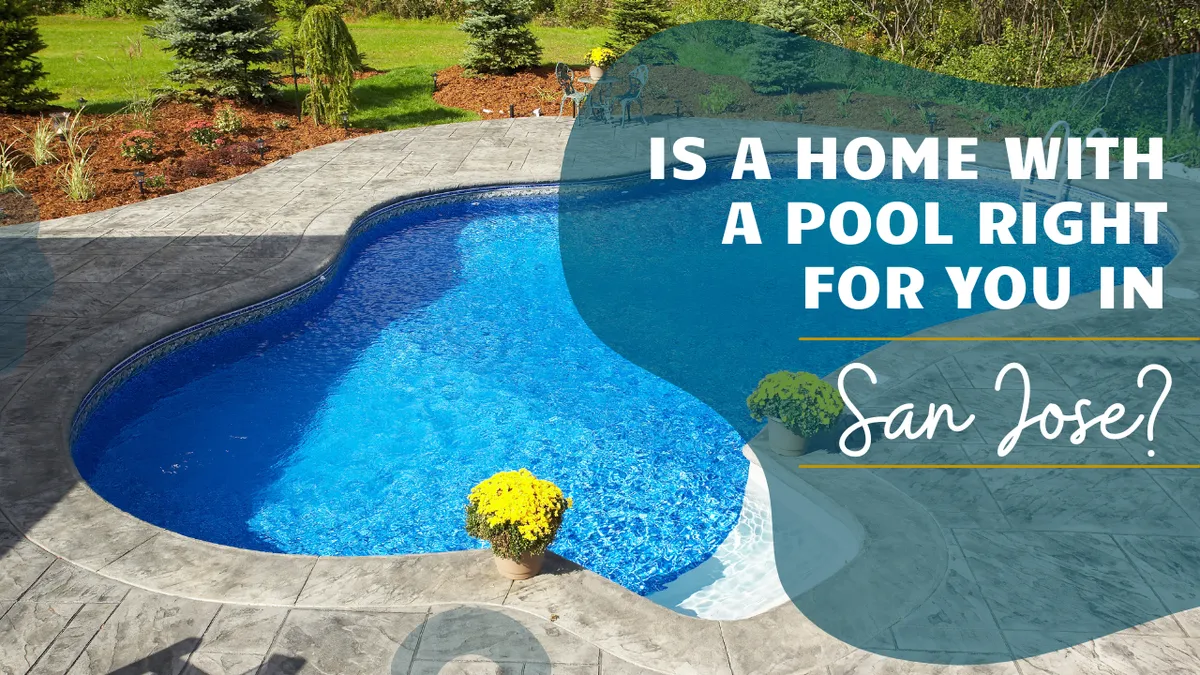
Is a Home With a Pool Right for You in San Jose?
A swimming pool can make a San Jose home feel like a private getaway. It can be a place to relax, exercise, spend time with family, or invite friends over. But before buying a home with a pool, it is important to look beyond the way it appears in listing photos.
A pool can also mean extra maintenance, higher utility bills, safety responsibilities, and possible repair costs. The right choice depends on your lifestyle, budget, and willingness to care for the pool.
Here are some important things to consider before making an offer on a San Jose home with a swimming pool.
How Much Will Pool Maintenance Cost?
A swimming pool needs regular care to keep the water clean and the equipment working properly. Depending on the pool, you may need to clean it, check chemical levels, remove leaves, and maintain the filter and pump.
You can handle some tasks yourself, but you may prefer to hire a pool service. Ask the seller whether a company currently maintains the pool and request information about the service schedule and cost. If you plan to do the work yourself, learn what equipment and supplies you will need.
The pool's size, design, and surrounding trees can affect how much maintenance it requires. A pool with many leaves falling into it may need more frequent cleaning. Special features, such as waterfalls or built-in spas, may also require additional care.
Before buying, create a realistic monthly budget that includes maintenance supplies or professional service.
Could the Pool Increase My Utility Bills?
Pools can add to your monthly expenses. Pumps use electricity, and filling or topping up a pool uses water. Heating the pool can increase energy costs even more.
Ask the seller how often the pool is heated and whether it has a pool cover. A cover may help reduce water loss and heat loss when the pool is not in use.
Request recent utility bills if they are available, but remember that the seller's costs may differ from yours. They may use the pool less often, maintain a different temperature, or have different utility rates or household habits.
If you expect to use the pool regularly, consider these expenses alongside your mortgage, property taxes, insurance, and other home costs.
Is the Pool and Its Equipment in Good Condition?
A pool can look clean while still having equipment or structural problems. Before you commit to buying the property, consider arranging an inspection by a qualified pool professional.
The inspection may review the pool's surface, visible plumbing, pump, filter, heater, and other equipment. Ask about leaks, cracks, drainage concerns, and any repairs that may be needed soon.
Request records for past repairs and equipment replacements. It is also helpful to learn the age of major components because they may not last forever.
A general home inspection may not include a detailed pool evaluation. Ask your inspector what is covered and whether a separate pool inspection is appropriate. If the evaluation identifies a problem, you can better understand the likely cost before deciding how to proceed.
What Safety Features Should I Check?
Pool safety should be a major part of your decision, especially if children or pets will live at the home or visit often.
Look at the fencing, gates, door alarms, pool covers, and other safety features. Check whether gates close and latch properly. Ask about applicable local requirements and whether the pool has the safety measures required for the property.
Do not assume that a fence alone removes every risk. Pool owners need to maintain safety equipment and supervise children around the water.
You should also consider whether the pool's location fits your household. For example, you may want a clear separation between the pool and the areas where children play. If safety improvements are needed, find out what they may cost and whether permits are required.
Will the Pool Affect Insurance and Resale?
A swimming pool may affect your homeowners insurance. Coverage, requirements, and costs vary by insurer and property. Contact an insurance provider before closing to understand whether the pool changes your premium or requires specific safety features.
Think about resale as well. Some buyers may love having a pool, while others may prefer a yard that requires less maintenance or provides more space for gardening and play.
A pool does not automatically increase a home's value by the amount it cost to install. Its effect depends on local buyer demand, the condition of the pool, the overall property, and current market conditions.
Compare similar homes in the area and ask your real estate agent to help you understand how buyers respond to properties with pools.
Does the Pool Fit Your Lifestyle?
Consider how often you are likely to use the pool. If you enjoy swimming, entertaining, or spending time outdoors, it may be a feature you truly value. If you rarely expect to use it, the ongoing cost and maintenance may not be worth it.
Think about how much yard space remains for other activities. A pool can take up a large part of the outdoor area, leaving less room for a garden, lawn, or play space.
Before making an offer, ask about pool maintenance, equipment age, repairs, safety features, and operating costs. A careful review can help you decide whether the pool is a benefit that fits your needs.
Final Thoughts
Buying a San Jose home with a swimming pool can be a great choice when the pool fits your budget and lifestyle. Look into its condition, maintenance needs, safety features, insurance requirements, and possible utility costs before moving forward.
If you are exploring homes in San Jose, Mariela Velazquez can help you compare properties and consider the details that matter to you.
Mariela Velazquez
Real Estate Expert in San Jose CA
Helping Home Buyers Move with Confidence
(408) 849-9297
https://www.move408.com/


