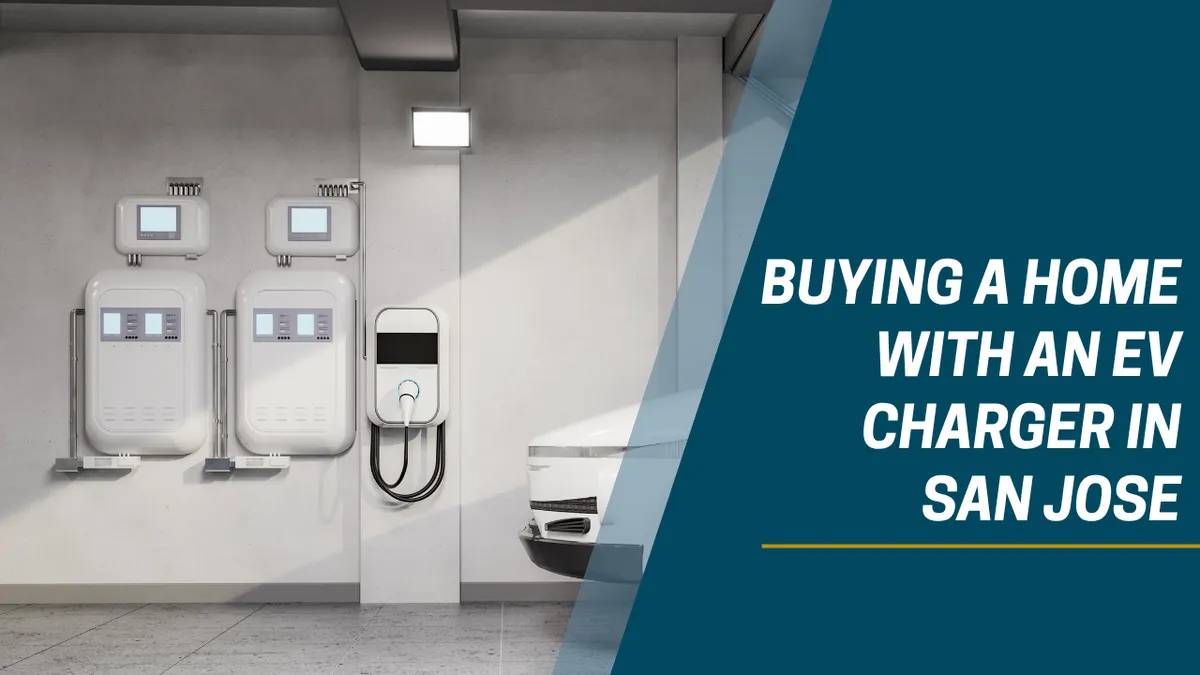
Buying a Home With an EV Charger in San Jose
If you drive an electric vehicle, buying a home with a charging station can make daily life easier. You may be able to charge your car at home instead of relying on public charging stations.
Many buyers in San Jose and the Bay Area consider home charging an important feature. However, not every charger offers the same speed or works with every vehicle. Before you make an offer, take time to check how the system works and whether it meets your needs.
Here are the main things to review when buying a San Jose home with an EV charger.
1. Find Out What Type of Charger Is Installed
Home EV chargers generally fall into two common categories.
A Level 1 charger uses a standard household outlet and usually charges slowly. It may work for drivers who travel short distances each day and have plenty of time to charge.
A Level 2 charger uses a higher-voltage connection and can usually charge a vehicle faster. It may be a better fit if you drive often or want to recharge overnight.
Ask the seller which type is installed and whether the charger will work with your vehicle. Some chargers use a particular connector, while others may require an adapter. Confirm compatibility with the charger manufacturer and your vehicle’s instructions.
2. Check the Electrical System
An EV charger needs an electrical system that can safely support its power needs. The charger may use a dedicated circuit, and some installations may require electrical panel upgrades.
Ask whether the charger was installed by a qualified electrician. Request available installation records, permits, and inspection documents.
A home inspector can review visible conditions, but a licensed electrician may be needed to assess the charger, wiring, circuit, and electrical panel in more detail.
Do not assume that an older electrical panel can support any charger simply because the charger is already connected. Have a professional confirm that the setup is suitable and safe.
3. Confirm Permits and Installation Records
Depending on the installation and local requirements, permits or inspections may have been needed. Ask the seller for documents showing how and when the charger was installed.
If records are missing, contact the appropriate local building department or ask a qualified electrician how to check the installation. Do not assume that an installation was approved just because it appears neat or works during a quick test.
You should also ask whether the charger is included in the sale. Confirm that it belongs to the property and is not leased, rented, or subject to a separate agreement.
4. Consider Where You Park
The charger should be in a practical location for your vehicle. Check whether the cable can reach the charging port without stretching across a walkway or creating a tripping hazard.
Think about how you park every day. If you have two cars, will the charger be easy to use? If the charger is in a garage, is there enough room to park and connect the vehicle comfortably?
For outdoor chargers, look at their placement and condition. Ask whether the equipment is rated for its location and installed according to the manufacturer's instructions.
5. Understand Charging Speed and Electricity Costs
A home charger does not make charging free. Your cost will depend on your electricity rate, how much you drive, your vehicle’s efficiency, and when you charge.
Ask the seller for any available information about how the charger has been used. Then review your electric utility's rates and whether time-based pricing is available. Some plans charge different amounts depending on the time of day.
If you expect to charge more than one electric vehicle, consider whether the existing setup will meet your needs. Adding a second charger or upgrading the electrical system may involve extra costs.
6. Check the Charger’s Condition and Warranty
Ask for the charger’s brand, model, age, and any warranty information. Check whether the manufacturer still supports it and whether replacement parts or software updates are available.
During the inspection period, test the charger if possible, using an appropriate vehicle or professional assistance. Look for visible damage, loose mounting, worn cables, or signs of water exposure.
If the charger connects to an app or home Wi-Fi, ask how ownership and access can be transferred. Some features may depend on an account, subscription, or internet connection.
7. Think About Your Future Needs
Your current vehicle may not be the only electric vehicle you own. You may change cars, add another driver to your household, or need faster charging in the future.
Consider whether the existing charger offers enough flexibility. If you plan to install a new charger, ask an electrician about electrical capacity, wiring options, and possible costs before assuming the upgrade will be simple.
Also remember that an EV charger is only one part of a home purchase. Location, price, condition, commute, and overall suitability should still guide your decision.
Make Sure the Feature Works for You
An EV charger can be a useful feature, especially if you drive an electric vehicle regularly. The important thing is to confirm that the equipment is safe, properly installed, compatible with your car, and practical for your routine.
If you are buying a home in San Jose, I can help you organize the right questions to ask about the property so you can make a more informed decision.
Mariela Velazquez
Real Estate Expert in San Jose CA
Helping Home Buyers Move with Confidence
(408) 849-9297
https://www.move408.com/


